
Choose your card game
Describe the purpose, participants or project scope. This helps us select a suitable format rather than promise an outcome before understanding the brief.
Trading card games, shared knowledge and good company.
At the table
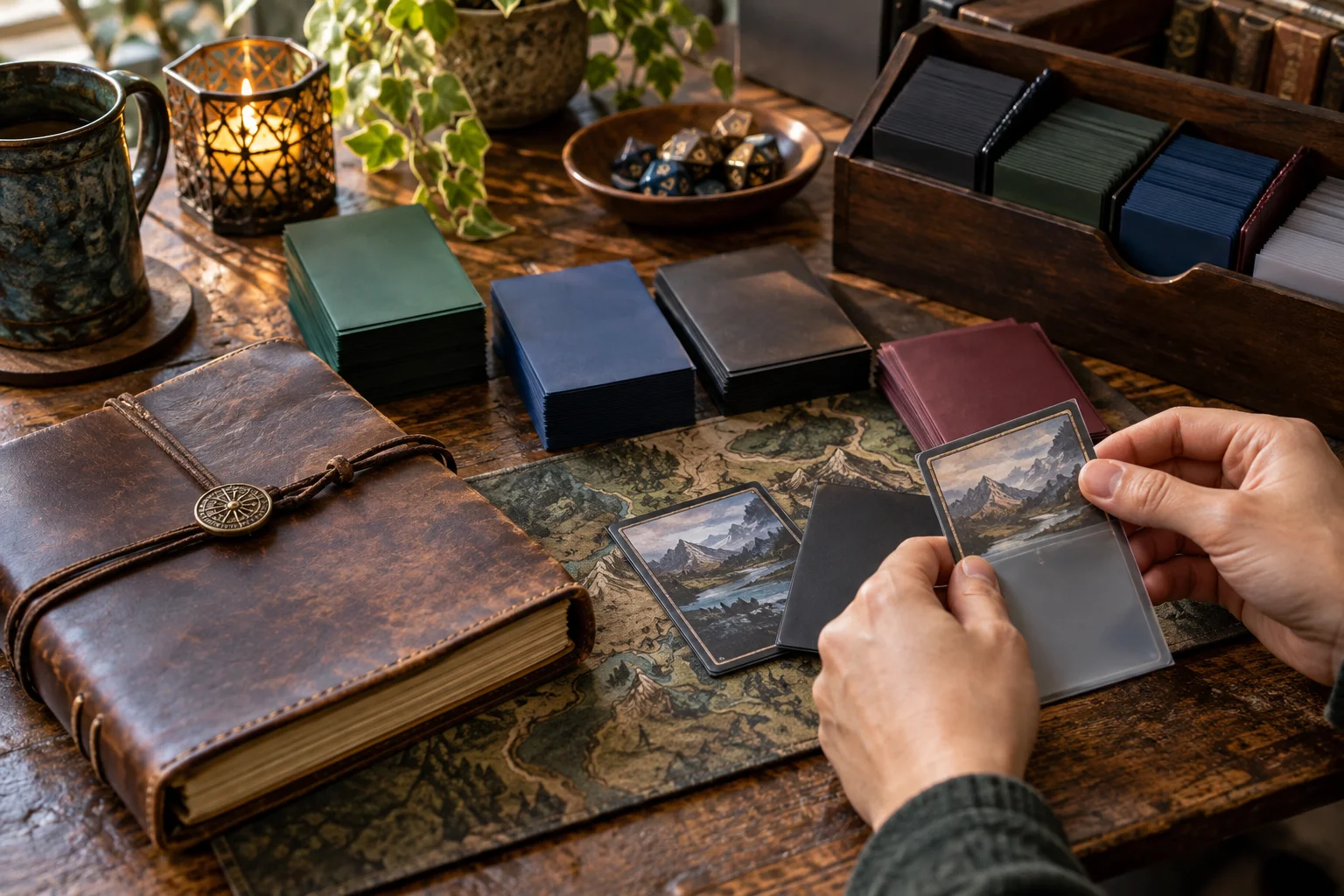
Describe what you want the deck to do and which cards or formats you use. A workshop can compare choices and practise interactions without treating card value as an investment recommendation. Bring sleeves, a playmat or your existing deck when appropriate, and confirm whether introductory materials are available before assuming the club supplies them.
A beginner introduction, a deck-building session and a league round need different preparation, even when they use the same game. Before attending, ask what to bring and how the table will be organised. It is easier to enjoy the evening when rules questions, borrowing arrangements and the expected session rhythm are discussed at the start. A shared table gives newcomers room to learn turn order, discuss deck choices and practise a complete match.
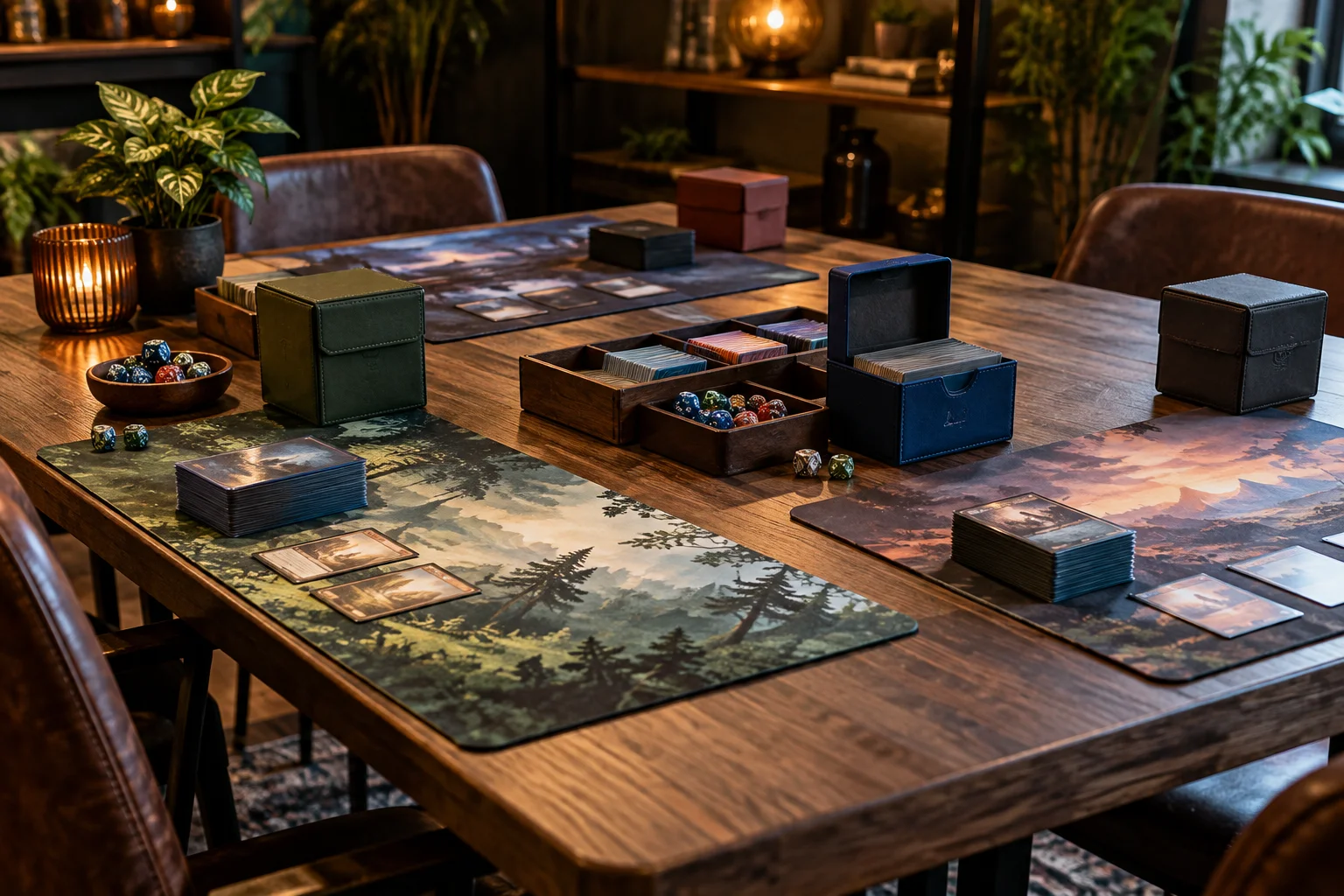
Prepare your objective, preferred timing and the information needed to assess the scope. Avoid sending unnecessary personal data, passwords or material you do not have permission to share. If the enquiry concerns a minor, a parent or guardian should handle the arrangements.
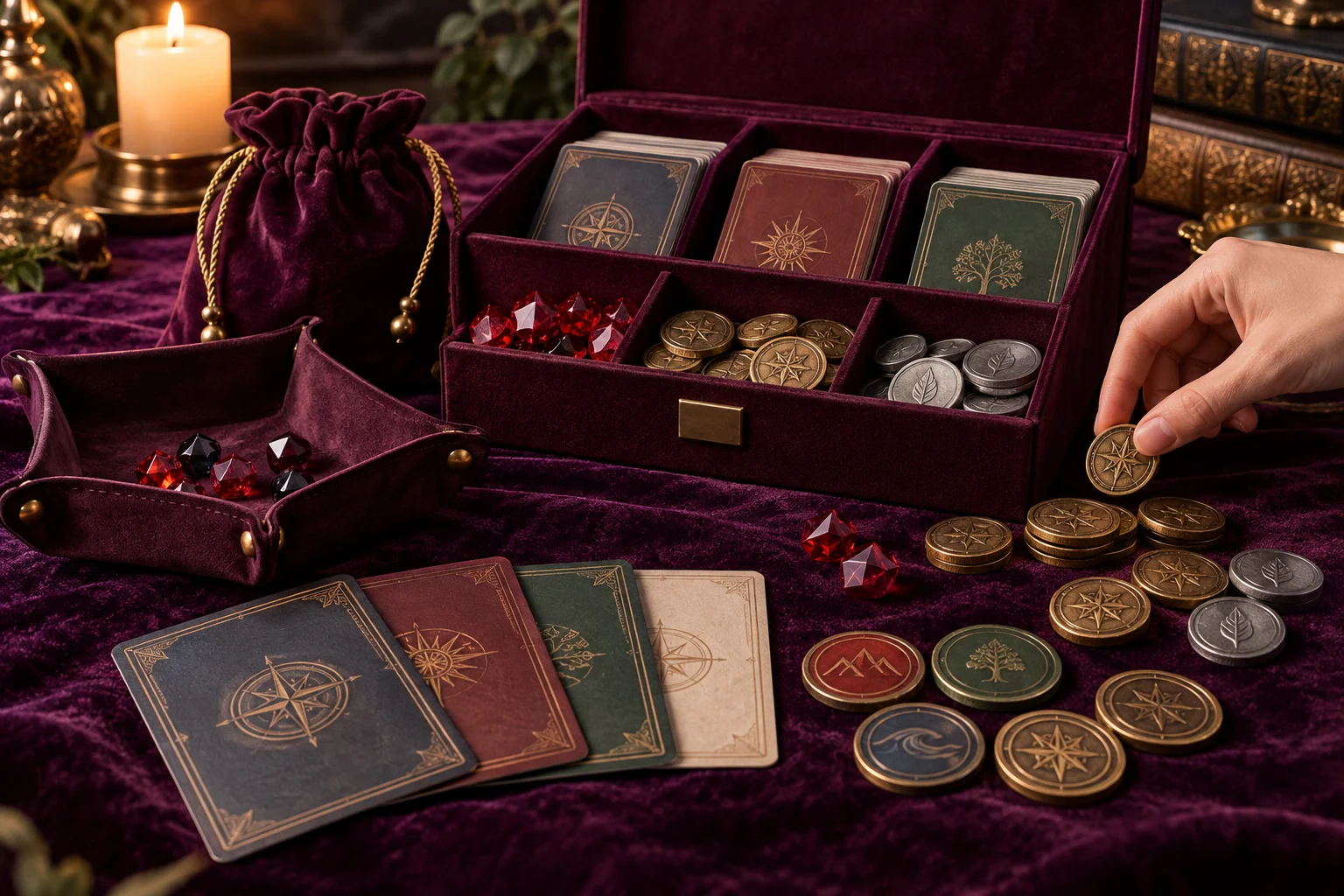
Mention your game, experience and preferred visit date. New-player support, event rules and any participation cost should be confirmed first. Avoid sending valuable collection details or payment information in an initial message.
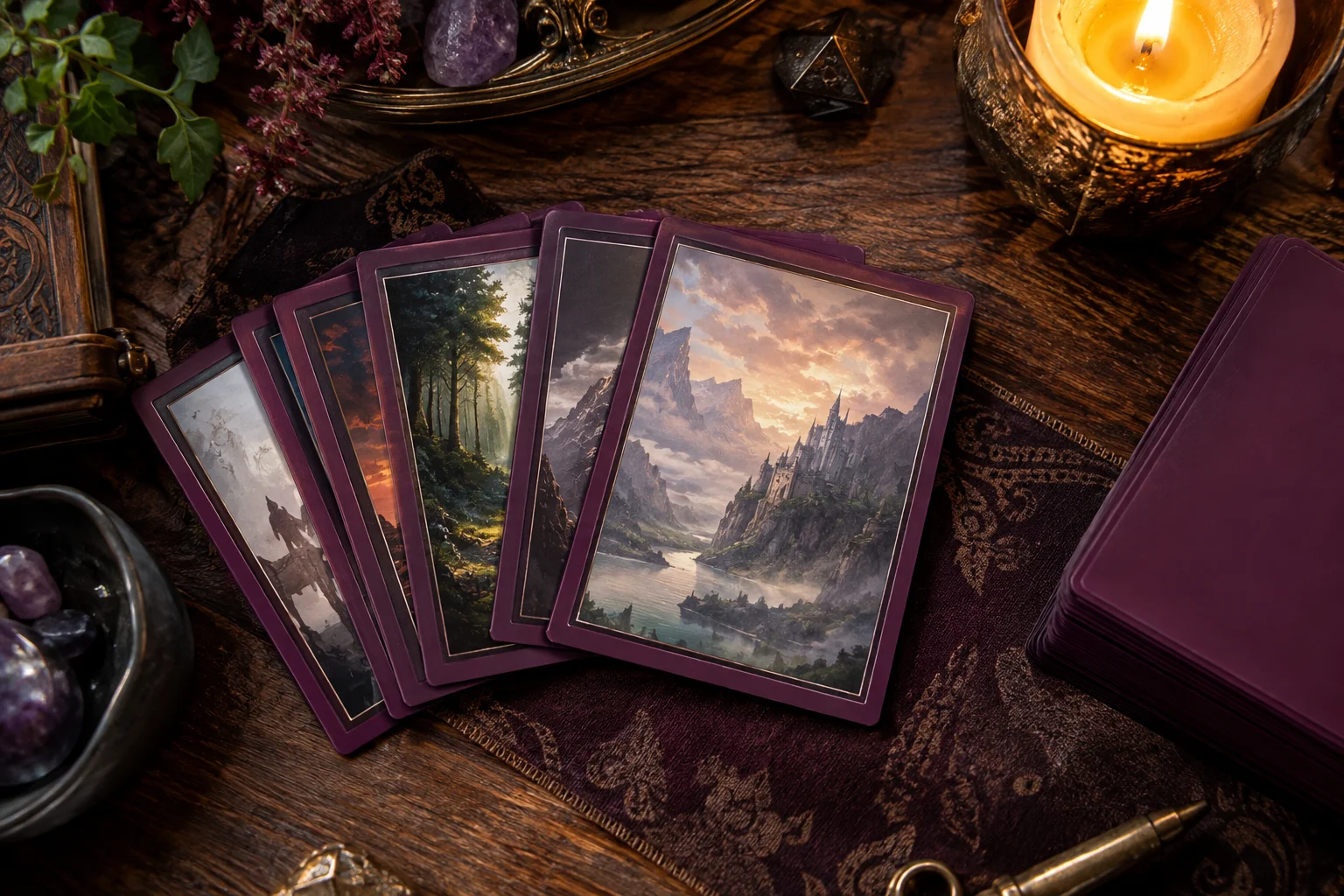
Mainvora focuses on a defined business purpose: collectible card game community club. We separate the offer, preparation and agreement so that visitors can understand the next step. A clear description is more useful than an unsupported promise about results, availability or experience.
A card table brings together different levels of familiarity. Some players want to learn a first turn, while others need time to test a particular deck interaction. Agreeing the format and purpose helps the session work for both. Clear handling rules also matter when personal cards and sleeves move around a shared table.
A casual game, a rules-learning session and a league match have different expectations. Before playing, clarify the format, pace and how questions will be handled. Original card-game rules and permitted sets depend on the game and the activity. Sharing knowledge is part of the community; buying, selling or trading cards is not a requirement of a club visit.
Describe the purpose, participants or project scope. This helps us select a suitable format rather than promise an outcome before understanding the brief.
Availability, price, timing and responsibilities are confirmed before the commitment. Browsing this website or sending an enquiry does not itself create an order or booking.
The agreed plan defines the responsibilities, schedule and how changes are handled. Cancellation and concern-handling terms belong in the confirmation.
At the end, check the agreed scope and any information needed for continued use. A follow-up conversation does not automatically create another paid commitment.
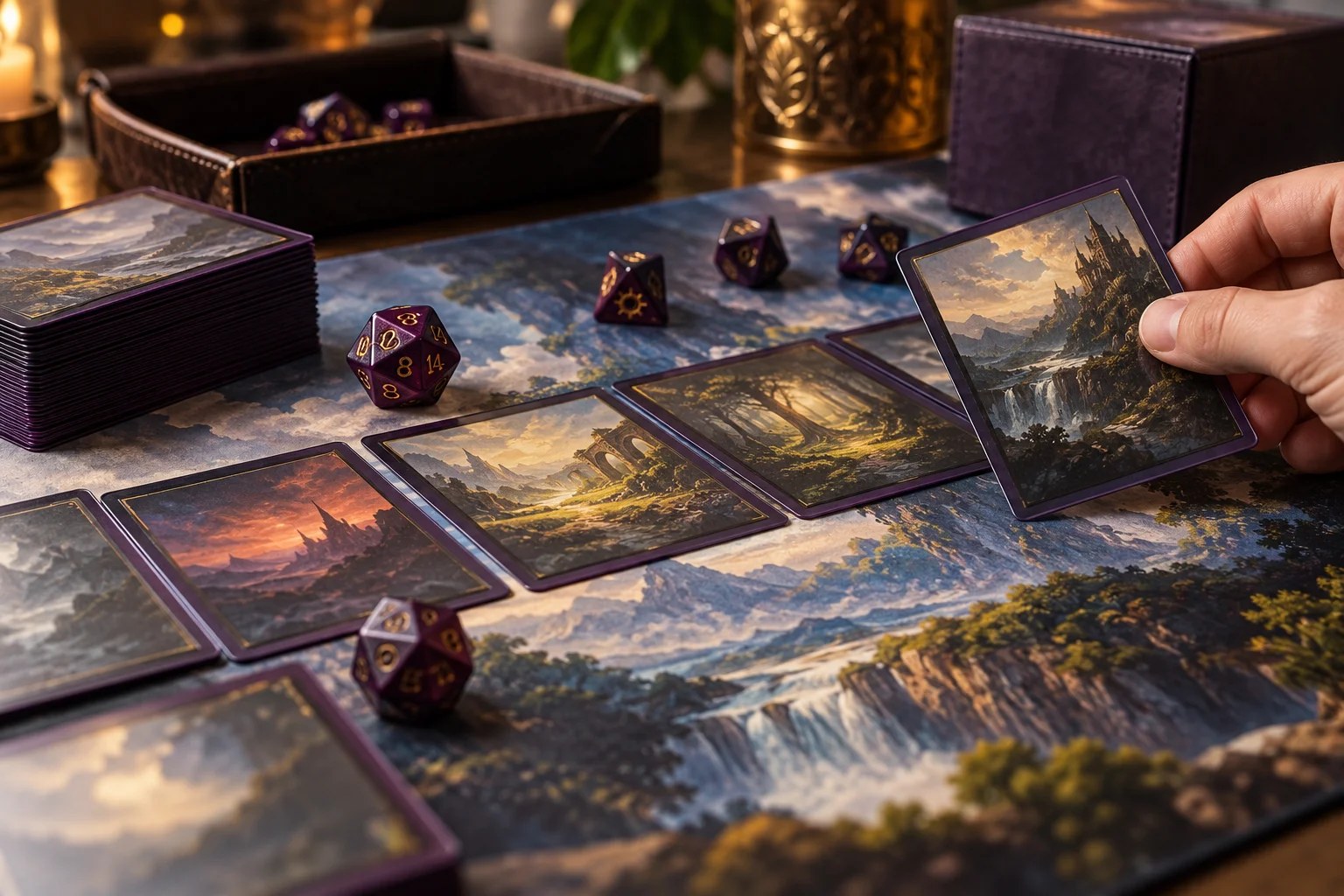
A card-game session brings together turn order, resource choices and the interaction between decks. A slower introductory match gives players time to ask questions and understand each decision.
Deck discussion adds another layer: how a card supports the plan, when an option becomes useful and which parts of a match deserve more practice.
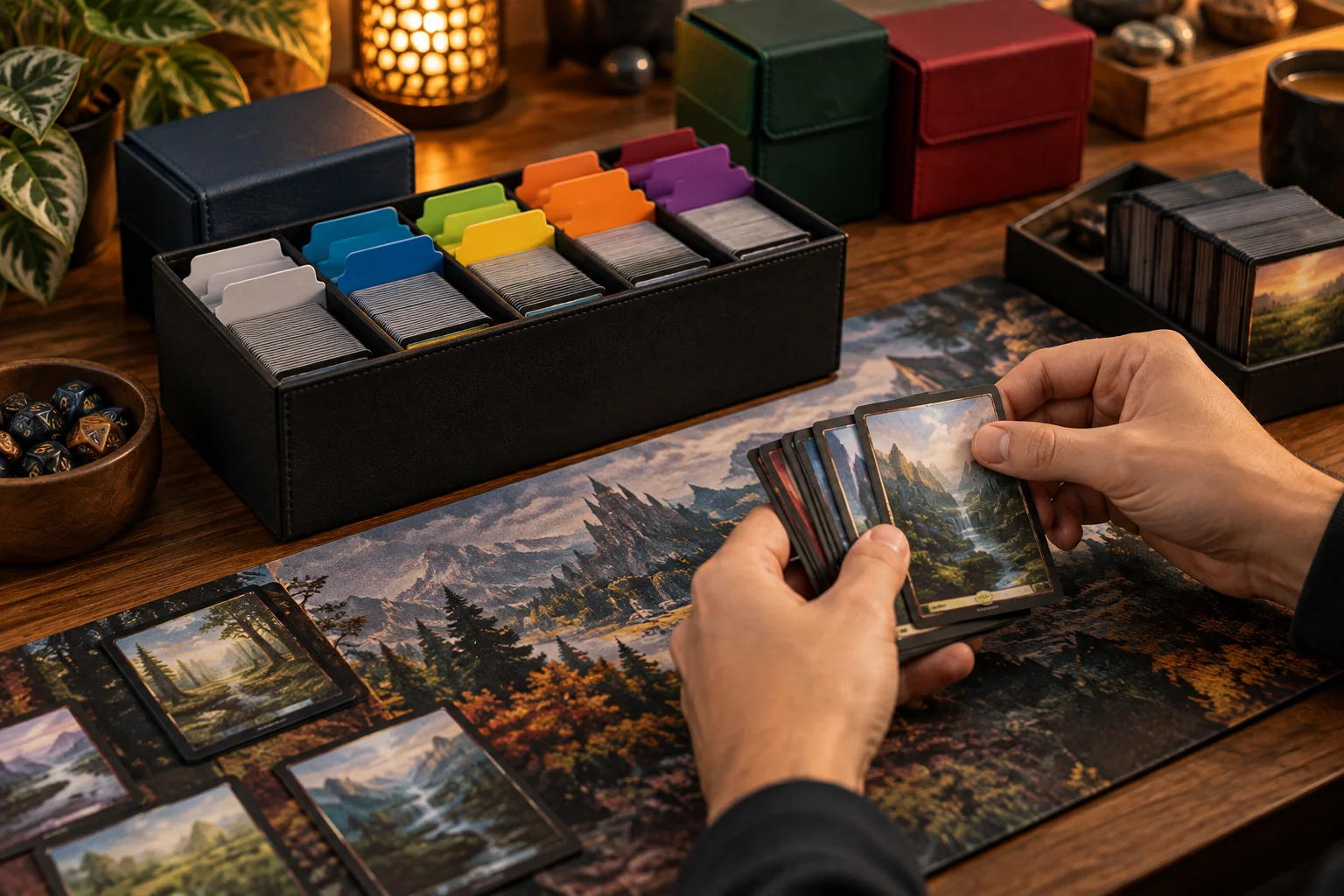
Learn the basic sequence of a game and ask questions without rushing. Tell us which card game interests you and whether you already have a deck before arranging a session.
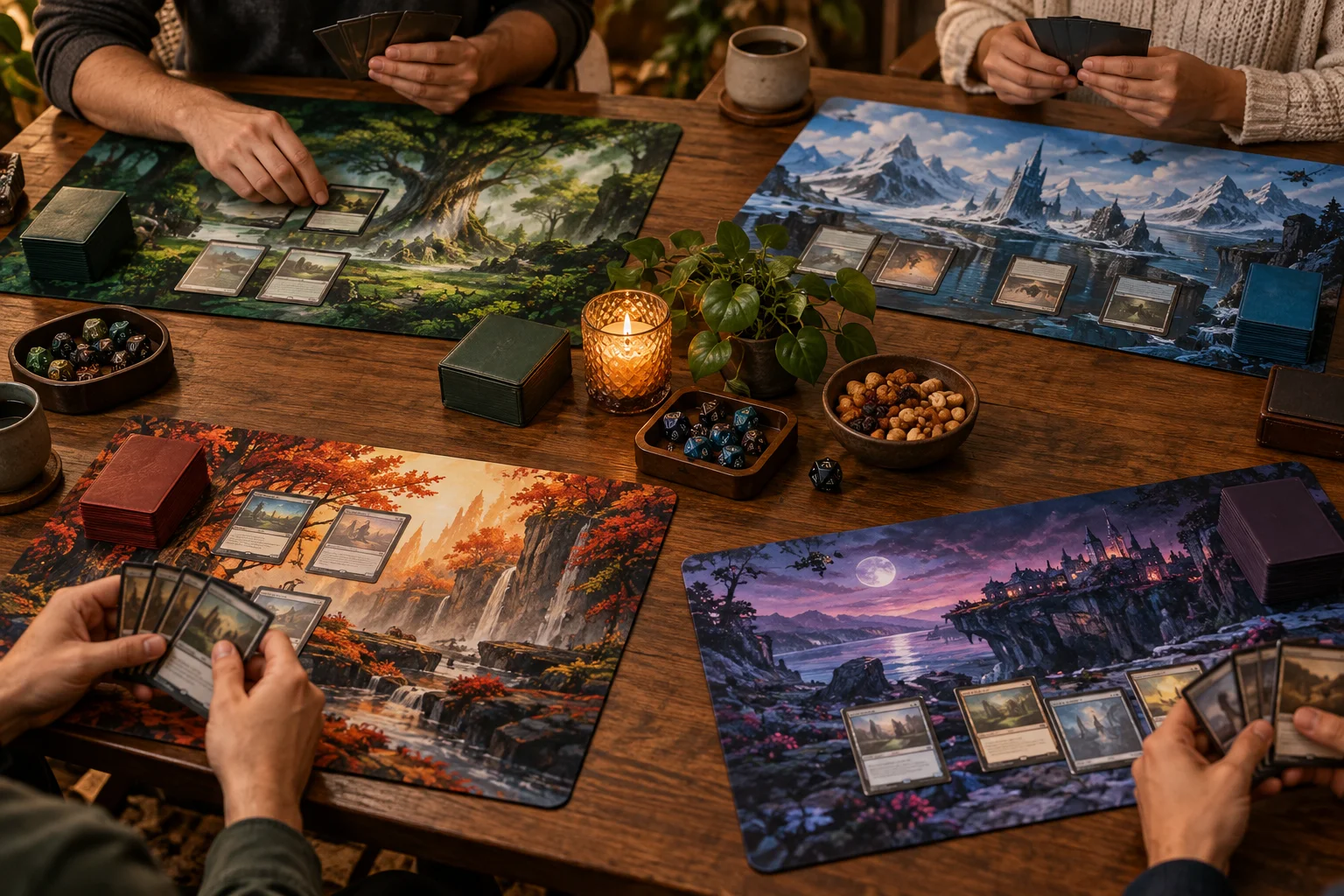
Discuss a deck goal, card interactions and the trade-offs behind each choice. Advice is about play and learning, not a promise of tournament results or financial value.
A league needs a declared format, schedule and participation rules. Entry, permitted cards and reporting expectations are confirmed for each activity.
Casual tables make room for different levels of experience. Agree on format, language and pace with fellow players; trading or buying is not required to take part.